Pet Care
7.3/10
Litter Genie Litter Box Wipes
Convenient wipes for litter box cleaning, with mixed reviews on quality.

PetArmor Plus Flea & Tick Spot Treatment has a mixed reception among users. While some report good results on flea and tick prevention. Several users experienced serious health issues in their pets, including seizures and allergies,
reported safety concerns
It effectively works, without harming pets.
Users reported serious health complications in their pets.
Initially effective as an insect repellent but reported illness in users.
positive
negative
Factors: Outdoor environments, pet size, regular use
Yes there have been reported seizures but mutually for the cases, further study will help.
"I have four Jack Russells that are outside on our farm at least part of every day. No fleas and I seldom find a tick. The occasional tick is usually dead. As the dogs run in woods and fields, I think this product does an excellent job. Lower price than it's competitors, which helps greatly with four..."
"Put this on my 14 lb poodle and he got really sick, I can’t prove it was this but it was right after his topical dose 2 weeks later and he is feeling better but I start seeing fleas in him. Would highly recommend NOT BUYING this product. Say I’m on a fixed income and was trying to save money but..."
Due to the reported health issues, this product may not be safe as intended and, those considering this treatment should weigh the potential risks and consult a veterinarian before use. Exploring alternatives or confirming the product’s safety through additional research may be advisable.
Convenient wipes for litter box cleaning, with mixed reviews on quality.
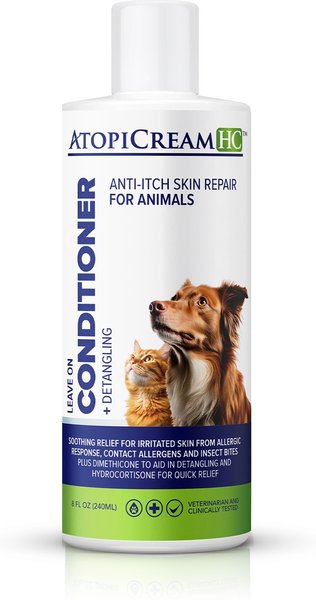
AtopiCream HC effectively relieves dog and cat rashes, highly recommended for skin issues.
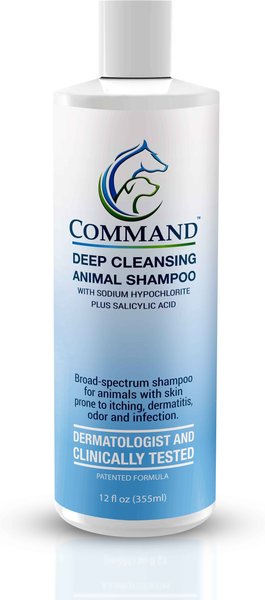
Exceptionally effective shampoo for pets with skin issues.
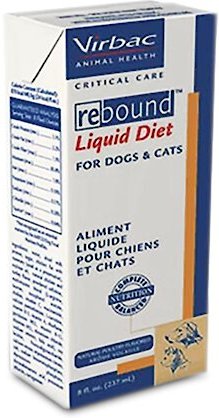
Highly effective lotion for dogs and cats with skin issues.

Professional groomer's secret for detangling by TropiClean
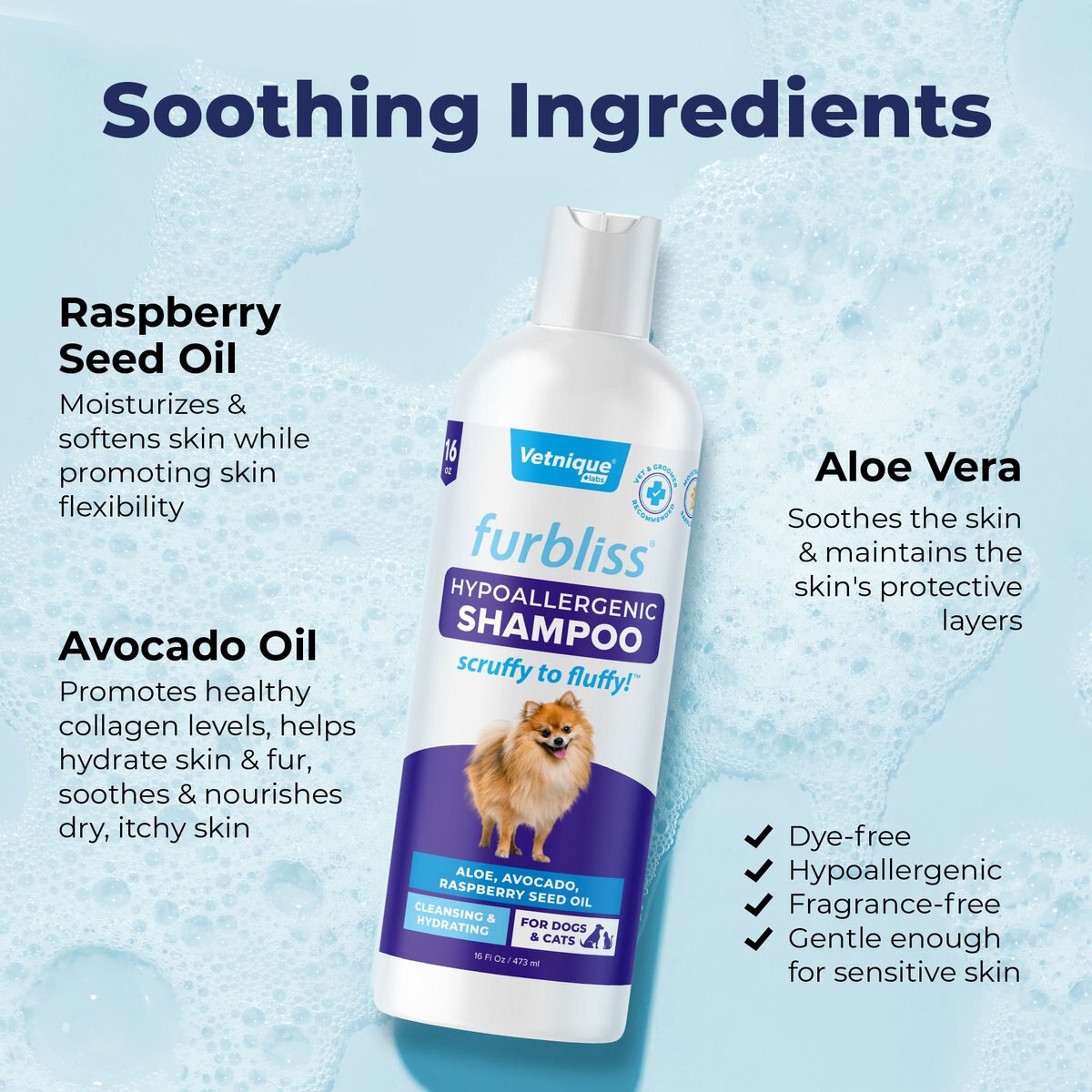
Vetnique Labs Furbliss is a top-rated, gentle, and effective hypoallergenic shampoo for do...